
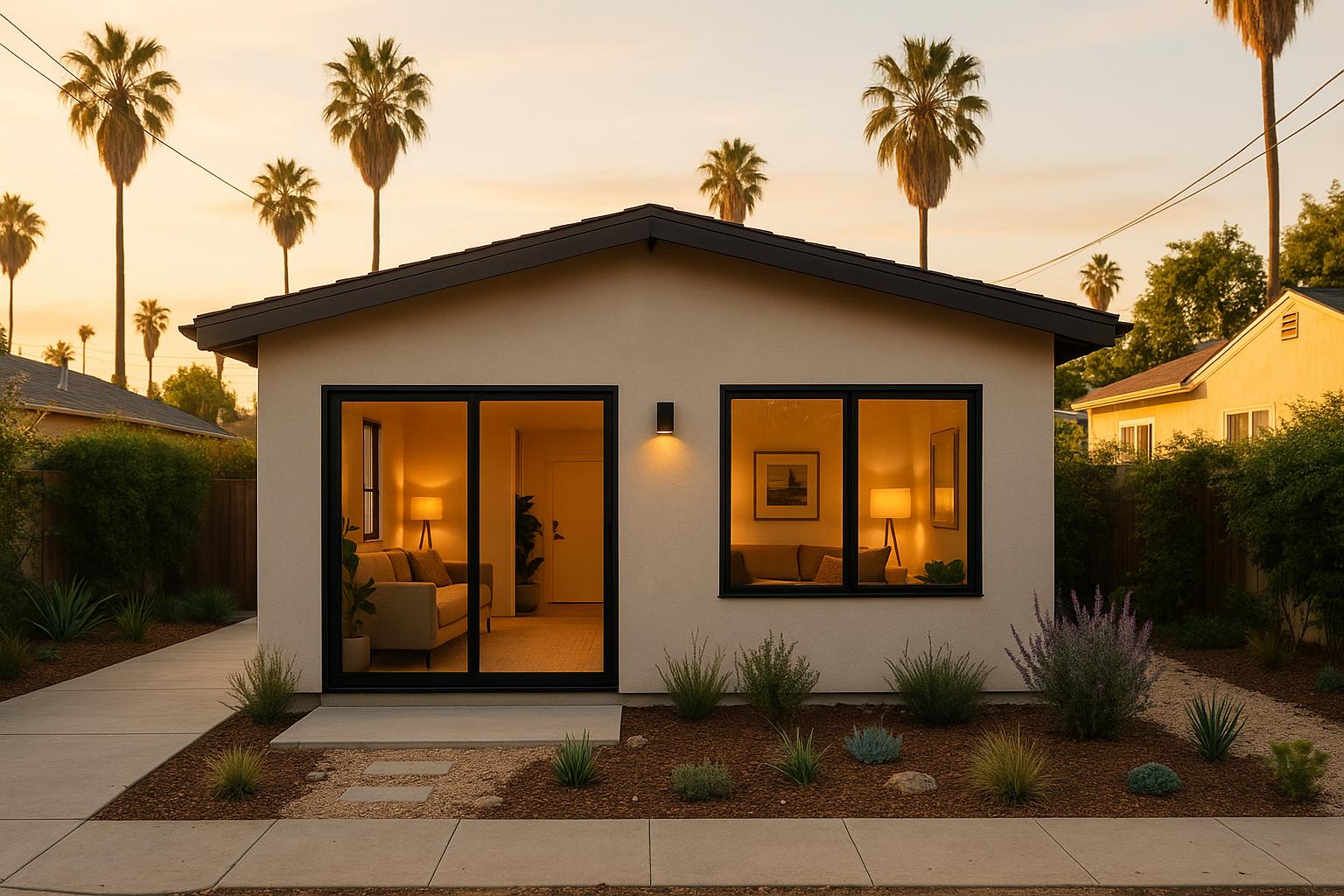
The Garage Conversion Question Every LA Homeowner Is Asking
If you own a home in Los Angeles, chances are you've looked at your garage and thought, "Could this be something more?" Maybe you need a home office, a rental unit, a guest suite, or just more room for your growing family. With property prices in LA continuing to climb, converting an underused garage into functional living space is one of the most practical ways to add square footage without buying a new home.
But is it actually worth it? The answer depends on your goals, your property, and how well you plan the project. Let's walk through everything you need to consider before committing to a garage conversion in Los Angeles.
Why Garage Conversions Are So Popular in LA Right Now
Los Angeles has become one of the most garage-conversion-friendly cities in California. In recent years, the city and state have passed legislation making it significantly easier and more affordable to convert garages into accessory dwelling units (ADUs) or additional living space. Here's what's driving the trend:
- Relaxed zoning laws: California's ADU-friendly legislation has reduced many of the barriers that used to make garage conversions difficult, including parking requirements and setback rules.
- High housing demand: With rental prices across Los Angeles remaining steep, a converted garage can generate meaningful rental income.
- Remote work: More homeowners need dedicated office space, and a detached or attached garage offers a natural separation from the main living area.
- Cost efficiency: Compared to a full room addition, a garage conversion typically costs less because the basic structure — walls, roof, and foundation — already exists.
What Does a Garage Conversion Actually Cost?
This is usually the first question homeowners ask, and the honest answer is: it varies. In Los Angeles, a standard two-car garage conversion typically ranges from $40,000 to $120,000 depending on the scope of work. Here are the main factors that influence cost:
- Plumbing: Adding a bathroom or kitchenette significantly increases the budget compared to a simple bedroom or office conversion.
- Electrical upgrades: Most garages weren't wired for full-time living, so you'll likely need a subpanel upgrade and additional circuits.
- Insulation and HVAC: Garages are typically uninsulated. Making the space comfortable year-round requires proper insulation, drywall, and a heating and cooling solution.
- Flooring: Garage floors are usually bare concrete. You'll need to level the surface and install appropriate flooring — whether that's luxury vinyl plank, tile, or engineered hardwood.
- Permits and design: Permit fees in Los Angeles vary, but budgeting $1,500 to $5,000 for permits and plan check fees is reasonable for most projects.
While these numbers might seem significant, consider that a well-executed garage conversion can add $100,000 or more to your property's value — not to mention the monthly rental income if you choose to lease the space.
The Permit Process in Los Angeles
One of the biggest mistakes homeowners make is skipping permits. An unpermitted conversion can lead to fines, forced removal of improvements, and serious complications when you try to sell your home. The good news is that Los Angeles has streamlined the process considerably.
Here's a simplified overview of what to expect:
- Consult with a contractor: A qualified remodeling contractor familiar with LA building codes can assess your garage and help determine what's feasible.
- Prepare plans: You'll need architectural or engineering plans that meet current building codes, including Title 24 energy compliance.
- Submit to LADBS: Plans are submitted to the Los Angeles Department of Building and Safety for review. Standard plan check can take several weeks, though expedited options exist.
- Inspections: During construction, the city will conduct inspections at key stages — framing, electrical, plumbing, insulation, and final.
- Certificate of occupancy: Once everything passes inspection, you'll receive approval to use the space as intended.
Working with a contractor who handles projects throughout Los Angeles, Glendale, Burbank, and surrounding areas means they'll already understand the local permitting landscape and can help you avoid costly delays.
Potential Drawbacks to Consider
Garage conversions aren't the right choice for every homeowner. Before you move forward, think carefully about these potential downsides:
- Loss of parking and storage: This is the most obvious trade-off. If you rely on your garage for vehicle storage or as a workshop, you'll need an alternative plan. Some homeowners add a carport or small storage shed to compensate.
- Resale considerations: While most buyers in Los Angeles see a converted garage as a bonus — especially if it's a permitted ADU — some buyers may prefer a traditional garage. Know your neighborhood and target market.
- HOA restrictions: If your property is in a homeowners association, check the CC&Rs before starting any work. Some HOAs have rules that go beyond city regulations.
- Utility costs: Adding livable square footage means higher utility bills. Make sure your conversion includes energy-efficient windows, insulation, and HVAC to keep ongoing costs manageable.
What Can You Turn Your Garage Into?
The possibilities are broader than most people realize. Here are some of the most common garage conversion projects we handle:
- ADU or rental unit: A fully self-contained living space with a kitchen, bathroom, and separate entrance — ideal for generating rental income in neighborhoods across Pasadena, Santa Monica, and West Hollywood.
- Home office or studio: A quiet, dedicated workspace separated from the distractions of the main house.
- Guest suite: A comfortable space for visiting family that offers privacy for everyone.
- Home gym or entertainment room: A practical upgrade that adds daily value to your lifestyle.
- In-law suite: A thoughtful solution for multigenerational families who want closeness without sacrificing independence.
How to Know If Your Garage Is a Good Candidate
Not every garage converts easily. Here are a few things that make a garage a strong candidate for conversion:
- Adequate ceiling height: Most building codes require a minimum of 7 feet 6 inches for habitable rooms. Many two-car garages meet this requirement, but it's worth measuring before you get too excited.
- Solid foundation: The existing slab needs to be in good condition. Cracks or drainage issues should be addressed before construction begins.
- Accessible utilities: Proximity to existing water, sewer, and electrical lines makes the project more straightforward and less expensive.
- Proper lot size: Your property needs to meet minimum lot coverage requirements, though recent California legislation has made this less of an obstacle for ADU conversions.
Making the Decision
A garage conversion is one of the smartest investments a Los Angeles homeowner can make — when it's done right. The key is working with a remodeling team that understands local codes, communicates clearly throughout the process, and delivers a finished space that feels like a natural extension of your home rather than an afterthought.
If you've been weighing the pros and cons, the best next step is a straightforward conversation with a contractor who can evaluate your specific property and give you honest answers about what's possible, what it'll cost, and how long it'll take. That clarity makes everything else easier.