
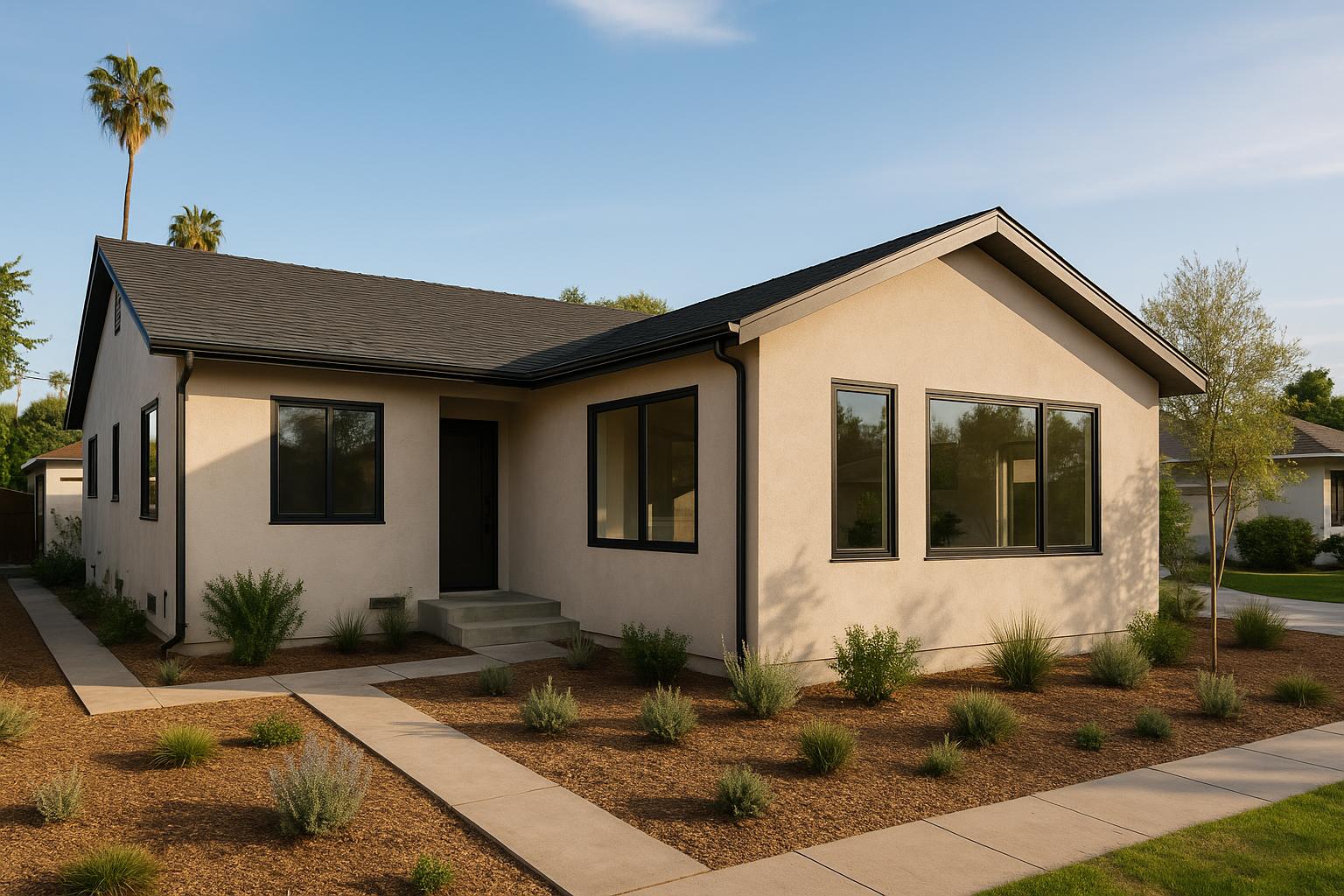
Why Los Angeles Homeowners Are Adding Rooms Instead of Moving
Real estate in Los Angeles isn't getting any cheaper. With median home prices continuing to climb across neighborhoods from Glendale to Santa Monica, many homeowners are choosing to expand their current homes rather than deal with the stress and cost of buying a new one. A well-planned room addition lets you stay in the neighborhood you love while gaining the space your family actually needs.
But room additions aren't simple weekend projects. They involve structural engineering, city permits, inspections, and a level of coordination that can overwhelm even the most organized homeowner. The good news is that with the right planning, the process doesn't have to be painful. Here's what you need to know before you break ground.
Start With the Why — Define Your Goals First
Before you think about square footage or finishes, get clear on why you need the extra space. The answer shapes everything that follows.
- Growing family: An extra bedroom or expanded living area can make daily life dramatically more comfortable.
- Work from home: A dedicated home office with proper separation from the rest of the house has become a top priority for many Los Angeles professionals.
- Aging parents: A ground-floor suite with an accessible bathroom allows multigenerational living without sacrificing anyone's independence.
- Rental income: Some homeowners add space that can eventually function as a rental unit, though this comes with its own set of zoning and permitting requirements.
Once you know the purpose, you can make smarter decisions about layout, location on your lot, and budget allocation.
Understanding Los Angeles Permits and Zoning
This is where most homeowners start feeling overwhelmed, and honestly, it's the part where professional guidance pays for itself. The City of Los Angeles Department of Building and Safety oversees permits for room additions, and the requirements can vary depending on your specific zoning designation, lot size, and how close your existing structure sits to property lines.
Here are some key things to be aware of:
- Setback requirements: Your addition must maintain minimum distances from property lines. These vary by zone and can significantly affect where on your lot you can build.
- Floor area ratio (FAR): The city limits how much of your lot can be covered by structures. If your home is already near the maximum, your options may be more limited.
- Height restrictions: Adding a second story sounds appealing, but height limits and hillside ordinances in certain parts of Los Angeles can complicate things.
- Plan check and inspections: Your plans will need to be reviewed and approved before construction begins, and inspectors will visit at multiple stages during the build.
Skipping or shortcutting the permit process is never worth it. Unpermitted work can result in fines, forced removal, and serious problems when you eventually try to sell your home.
Budgeting Realistically for a Room Addition
One of the most common questions we hear at Builders Unlimited Renovation is, "How much will a room addition cost?" The honest answer is that it depends on the scope, but we can give you a framework to start with.
In the Los Angeles area, room additions typically range from $250 to $450 per square foot, depending on the complexity. A straightforward bedroom addition on a flat lot with standard finishes will land on the lower end. A second-story addition with a full bathroom, custom cabinetry, and structural reinforcement will push toward the higher end.
Here's a rough breakdown of where your budget goes:
- Design and engineering (8-12%): Architectural plans, structural engineering, and energy calculations.
- Permits and fees (3-5%): City plan check fees, school fees, and inspection costs.
- Foundation and framing (25-35%): The structural bones of your addition.
- Mechanical systems (15-20%): Electrical, plumbing, and HVAC extensions.
- Finishes (20-30%): Flooring, drywall, paint, fixtures, and trim.
Always build in a contingency of at least 10-15% for unexpected issues. Older homes in neighborhoods like Pasadena or Burbank sometimes reveal surprises once walls are opened up — outdated wiring, insufficient foundations, or plumbing that doesn't meet current code.
Design Tips That Make Room Additions Feel Like They Belong
The worst room additions are the ones that look and feel like afterthoughts. A tacked-on room with mismatched rooflines, different flooring, or awkward transitions can actually hurt your home's value instead of helping it.
Here's how to avoid that:
- Match the roofline: Your addition's roof should complement the existing structure, not fight against it. This is especially important for street-facing additions.
- Continue the flooring: Running the same flooring material from the existing home into the new space creates a seamless transition that makes the addition feel intentional.
- Think about natural light: Los Angeles gets over 280 sunny days per year. Take advantage of that with well-placed windows and even skylights where appropriate.
- Plan the flow: How will people move between the existing home and the new space? Awkward hallways or dead-end rooms make a home feel disjointed.
Working with an experienced remodeling team ensures these details get addressed during the design phase, not after framing is already up.
How Long Does a Room Addition Take?
Timelines vary, but here's a general idea for a typical room addition in Los Angeles:
- Design and permitting: 6 to 12 weeks, sometimes longer depending on plan check backlogs at the city.
- Construction: 8 to 16 weeks for most single-story additions. Second-story additions or projects requiring significant structural work can take longer.
The permitting phase is often the biggest variable. We've seen plan checks move through in a few weeks during slower periods and stretch to several months during busy ones. Starting the design and permit process early gives you the best chance of staying on your preferred timeline.
Choosing the Right Contractor for Your Room Addition
This decision matters more than almost anything else. A skilled contractor will help you navigate permits, avoid costly mistakes, and deliver a finished space that genuinely adds value to your home. Here's what to look for:
- Licensed and insured: Verify their California contractor's license through the CSLB website. No exceptions.
- Local experience: A contractor who regularly works in Los Angeles understands local codes, common soil conditions, and how to work with city inspectors.
- Clear communication: You should feel comfortable asking questions and confident you'll get honest answers. Vague responses during the estimate phase are a red flag.
- Detailed written proposals: A thorough scope of work protects both you and the contractor. Be wary of one-page estimates with lump-sum pricing and no detail.
At Builders Unlimited Renovation, we walk homeowners through every step of the room addition process — from initial design concepts through final inspection. We work across Los Angeles, including Glendale, Burbank, Pasadena, West Hollywood, and Santa Monica, and we've seen firsthand how a well-executed addition can transform both a home and a homeowner's daily life.
The Bottom Line
A room addition is one of the most impactful improvements you can make to your Los Angeles home. It gives you more space without the upheaval of moving, and when done right, it adds significant value to your property. The key is planning thoroughly, budgeting honestly, and working with a team that knows what they're doing. If you're considering adding space to your home, start the conversation early — the sooner you begin planning, the smoother the entire process will be.